Things worth being curious about
Every day’s news hides a subject worth knowing properly. We write those up as stories.
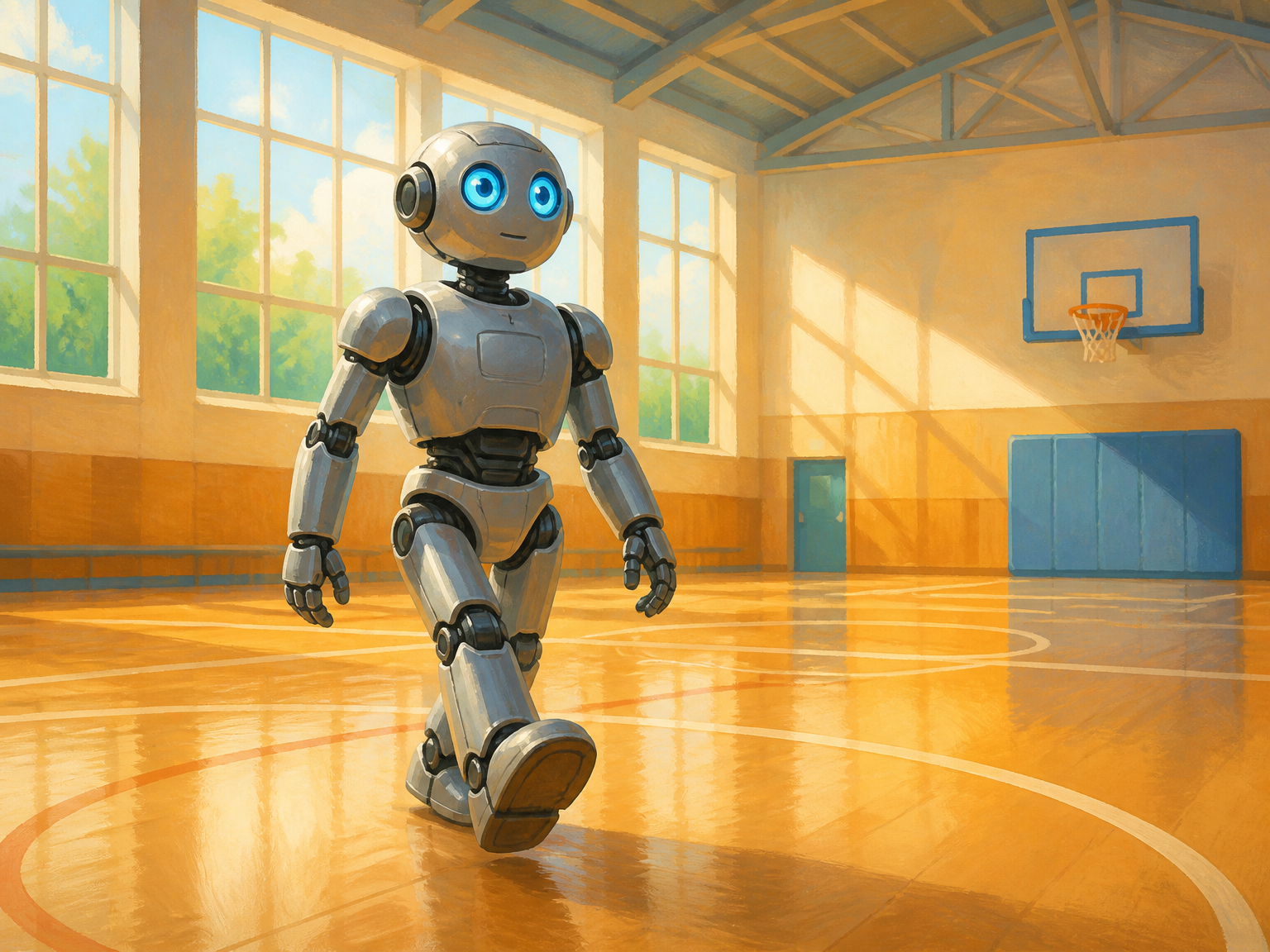
Humanoid Robot
Humanoid robots are machines that look and move like people. They use sensors and motors to walk, run, and even play sports. The first real humanoid robot was built in Japan in 1972. Today, scientists around the world are making them smarter and more lifelike every year.

Nagoya Asian Games 2026
The Nagoya Asian Games are a big sports event happening in Japan in 2026. Athletes from all over Asia, including Hong Kong, will compete in 43 sports. Learn what makes these games special, how Hong Kong athletes prepare, and fun facts about the mascot Honohon.

How Hexagonal Rock Columns Form
Have you ever seen rock columns that look like a giant honeycomb? They form when lava cools and cracks into neat six-sided shapes — one of nature's most amazing geometric wonders.

Black Holes: Where Even Light Cannot Escape
Black holes are some of the most mysterious objects in the universe. Their gravity is so strong that even light cannot escape. Although we cannot see them directly, scientists can find them by watching how they affect nearby stars and gas.

High Island Reservoir
High Island Reservoir is Hong Kong's largest reservoir, famous for its 140-million-year-old hexagonal rock columns and giant concrete dolosse that protect its dams.

The BWF World Championships: The Biggest Badminton Tournament on Earth
The BWF World Championships is the biggest badminton tournament in the world, held every year except Olympic years. Players from around the globe compete in five events for gold medals and the title of World Champion.
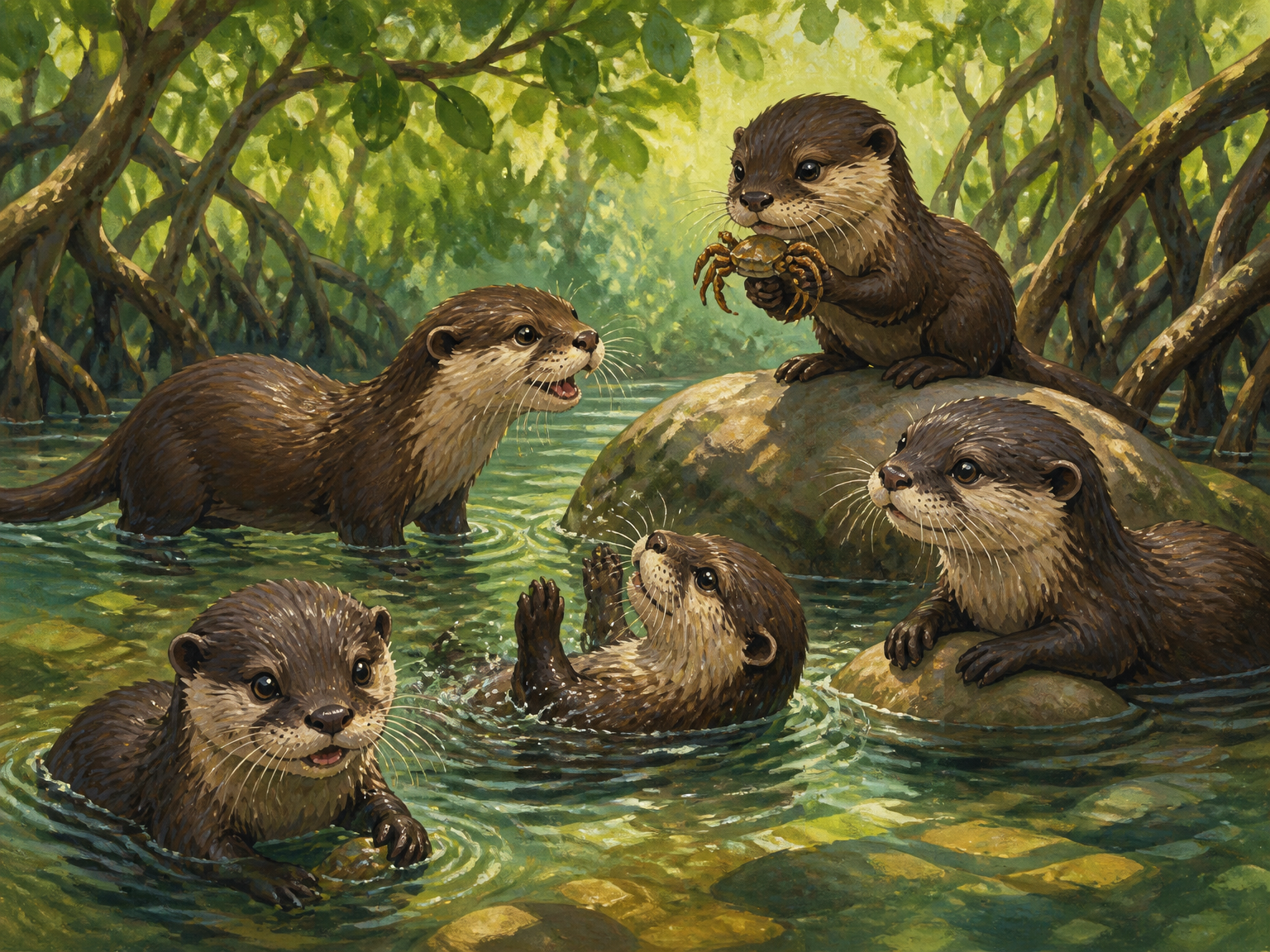
Asian Small-clawed Otter: The World's Smallest Otter
The Asian small-clawed otter is the smallest otter in the world. It lives in rivers and swamps across South and Southeast Asia. Its tiny claws help it feel for crabs and snails in the mud.
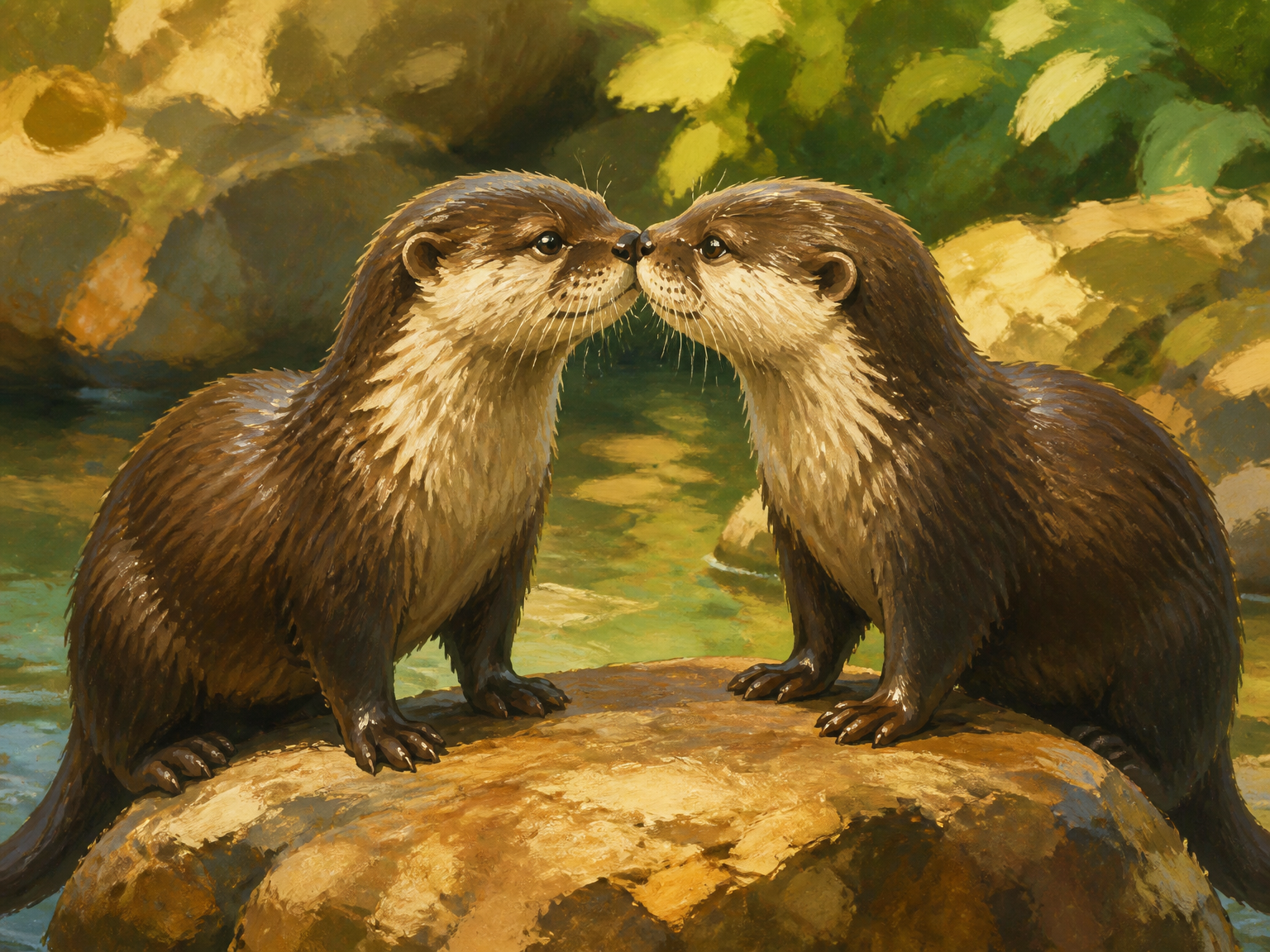
Zoo Animal Behaviour Research
Zoo animal behaviour research is the science of watching animals in zoos to understand what they do and why. Scientists use methods like focal animal sampling to study how crowds, noise and exhibits affect animals, and the findings help zoos improve animal welfare through enrichment and enclosure design.